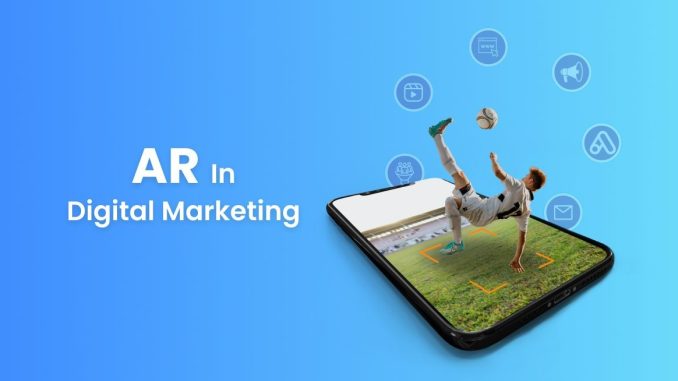
The landscape of digital advertising is in a perpetual state of evolution, constantly seeking new avenues to capture consumer attention, foster engagement, and drive conversions. For years, static banners, video ads, and interactive pop-ups dominated the online space. However, with the rapid advancements in mobile technology and the increasing sophistication of visual computing, Augmented Reality (AR) has emerged as a groundbreaking force, fundamentally redefining how brands connect with their audiences. AR is transforming advertising from a passive viewing experience into an immersive, interactive, and highly personalized journey, paving the way for unprecedented levels of consumer engagement and brand recall.
At its core, AR overlays digital information and virtual objects onto the real world, as viewed through a smartphone, tablet, or specialized AR glasses. This technology allows brands to bring their products and messages to life in the user’s environment, blurring the lines between the physical and digital realms. Unlike Virtual Reality (VR), which transports users to an entirely simulated environment, AR enhances the existing reality, making it a far more accessible and immediately applicable tool for mass-market advertising campaigns.
One of the most significant roles AR plays in digital advertising is enabling **virtual try-on experiences**. This capability is a game-changer for industries like fashion, cosmetics, eyewear, and even home furnishings. Imagine Browse an online clothing store and, instead of relying solely on static images, you can use your phone’s camera to see how a dress or a pair of shoes looks on your own body, in real-time. Cosmetic brands are allowing users to virtually test different shades of lipstick or eyeshadow, while eyewear companies enable customers to see how various frames suit their face shape. For furniture retailers, AR apps allow consumers to place virtual 3D models of sofas or tables within their own living rooms to assess size, fit, and aesthetic appeal before making a purchase. This virtual try-on capability not only enhances the shopping experience but also significantly reduces return rates, a major pain point for e-commerce businesses, by helping consumers make more confident purchasing decisions.
Beyond individual product interaction, AR is revolutionizing **brand storytelling and experiential marketing**. Brands can create immersive AR filters and games for social media platforms like Instagram, Snapchat, and TikTok, inviting users to become part of the brand narrative. A snack food company might launch an AR game where users catch virtual falling snacks, or a movie studio might create a filter that transforms users into characters from an upcoming film. These experiences are highly shareable, leveraging user-generated content to amplify brand reach and create viral marketing campaigns that feel organic and engaging rather than overtly promotional. The interactive nature of AR fosters a deeper emotional connection with the brand, transforming passive viewers into active participants.
AR also plays a crucial role in **enhancing product visualization and information delivery**. For complex products, such as automobiles or electronics, AR can provide dynamic, interactive 3D models that users can explore from every angle. An automotive brand, for example, could allow potential buyers to virtually walk around a car, open its doors, look inside, and even customize features in their driveway. This level of detail and interactivity far surpasses what can be conveyed through traditional images or videos. Furthermore, AR can overlay useful information onto real-world objects. Imagine scanning a product in a supermarket with your phone and immediately seeing its nutritional information, allergens, reviews, or even sustainability credentials pop up as an overlay. This empowers consumers with more informed decision-making at the point of purchase.
The integration of AR into **location-based advertising** is another powerful application. By leveraging a user’s geographical location, brands can deliver contextually relevant AR experiences. A restaurant could offer an AR overlay that shows its daily specials when a user points their phone at its storefront. A real estate agency might allow potential buyers to view virtual furniture in an empty apartment by simply holding up their phone, or see details about a neighborhood’s amenities. This hyper-local and personalized advertising cuts through the noise, delivering timely and relevant messages precisely when and where they are most impactful.
Despite its immense potential, the widespread adoption of AR in digital advertising faces certain considerations. The primary barrier is often user adoption, as it requires consumers to download specific apps or enable AR features on social media. Performance and accessibility can also vary depending on the user’s device capabilities and internet connection. Furthermore, creating compelling AR experiences requires specialized development skills and can be resource-intensive. However, as mobile hardware continues to advance and AR development tools become more user-friendly, these barriers are steadily diminishing.
In conclusion, Augmented Reality is not just a fleeting trend in digital advertising; it is a foundational shift towards more immersive, interactive, and personalized brand engagement. By enabling virtual try-ons, enriching brand storytelling, enhancing product visualization, and powering location-based campaigns, AR allows advertisers to transcend the limitations of two-dimensional screens and create memorable experiences that resonate deeply with consumers. As the technology matures and becomes more seamlessly integrated into everyday devices, AR is poised to become an indispensable tool in the digital marketer’s arsenal, fundamentally changing how brands capture attention, drive intent, and ultimately, build lasting relationships with their audience.