Arts integration in core subjects is not merely a pedagogical trend—it represents a fundamental shift in how we understand learning, engagement, and the development of essential skills. By weaving artistic practices into disciplines like math, science, language arts, and social studies, educators create multidimensional learning experiences that resonate more deeply with students. This approach moves beyond the notion of arts as extracurricular or decorative, positioning them instead as powerful tools for enhancing comprehension, creativity, and critical thinking. In a business context, where innovation and adaptability are prized, the benefits of arts integration are particularly compelling.
One of the most significant advantages of integrating the arts into core subjects is the way it enriches cognitive engagement. When students are encouraged to express mathematical concepts through visual design or explore historical events through dramatic reenactments, they activate different areas of the brain and form stronger neural connections. This multisensory engagement leads to deeper understanding and better retention. For example, a student learning about geometric principles might build a sculpture that embodies symmetry and proportion, thereby internalizing abstract concepts through tangible experience. This kind of learning mirrors the interdisciplinary thinking required in business, where professionals must often translate complex data into compelling narratives or visualize strategy in innovative ways.
Arts integration also fosters emotional connection to academic content. Traditional instruction can sometimes feel detached or impersonal, especially when it relies heavily on lectures and standardized assessments. By contrast, artistic activities invite students to bring their own perspectives, emotions, and experiences into the learning process. A science lesson on ecosystems, for instance, might include composing a poem from the point of view of a threatened species. This not only reinforces scientific knowledge but also cultivates empathy and environmental awareness. In the business world, emotional intelligence is a key driver of leadership and collaboration. Arts-integrated education helps nurture these qualities from an early age, preparing students to navigate interpersonal dynamics with sensitivity and insight.
Moreover, integrating the arts into core subjects encourages risk-taking and resilience. Artistic endeavors often involve experimentation, iteration, and the acceptance of failure as part of growth. When students engage in creative processes—whether choreographing a dance to represent a historical movement or designing a visual metaphor for a literary theme—they learn to embrace ambiguity and persist through challenges. These experiences build confidence and adaptability, traits that are essential in business environments marked by rapid change and uncertainty. The ability to approach problems with a flexible mindset and a willingness to explore unconventional solutions is a hallmark of successful entrepreneurs and innovators.
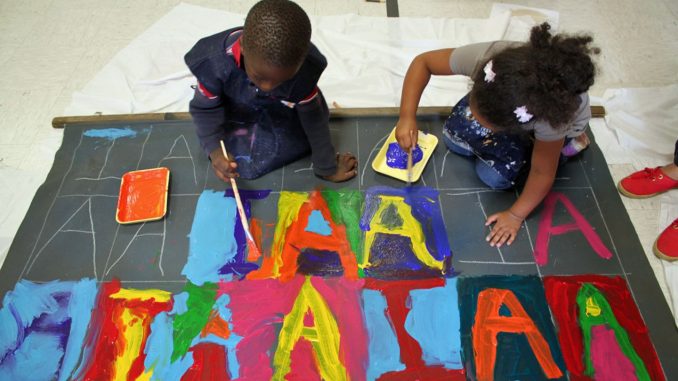
Collaboration is another area where arts integration shines. Many artistic projects require teamwork, negotiation, and shared vision. When students co-create a mural to depict a mathematical concept or stage a play to explore civic responsibility, they must communicate effectively, listen actively, and contribute meaningfully to a collective goal. These collaborative skills translate directly into the workplace, where cross-functional teams and diverse perspectives are the norm. Arts-integrated learning helps students develop the interpersonal competencies needed to thrive in such settings, including conflict resolution, consensus-building, and mutual respect.
From a pedagogical standpoint, arts integration also supports differentiated instruction. Students have varied learning styles, strengths, and interests, and the inclusion of artistic modalities allows educators to reach a broader spectrum of learners. A student who struggles with traditional writing assignments might excel in expressing ideas through visual art or music. This inclusive approach not only boosts academic performance but also enhances self-esteem and engagement. In business, recognizing and leveraging individual strengths is key to building effective teams and fostering a culture of inclusion. Arts-integrated education models this principle by valuing diverse forms of expression and understanding.
The role of arts integration extends beyond the classroom to influence institutional culture and community engagement. Schools that embrace this approach often cultivate environments that are more vibrant, inclusive, and innovative. They become hubs of creativity where students, teachers, and families collaborate in meaningful ways. This ethos can be mirrored in business organizations that prioritize creativity and employee engagement. Companies that support artistic initiatives, design thinking, and storytelling often find that these practices lead to stronger brand identity, customer loyalty, and internal cohesion.
Importantly, arts integration does not dilute academic rigor—it enhances it. When executed thoughtfully, it deepens content knowledge and challenges students to think critically and creatively. It requires careful planning, collaboration among educators, and a commitment to professional development. But the payoff is substantial: students become more engaged, more reflective, and more prepared to apply their learning in real-world contexts. In a global economy that values innovation and human-centered design, these attributes are not just desirable—they are essential.
Ultimately, the integration of arts into core subjects represents a holistic vision of education, one that honors the full spectrum of human intelligence and potential. It bridges the gap between disciplines, connects learning to life, and equips students with the skills they need to succeed in a complex and interconnected world. For business leaders, educators, and policymakers alike, supporting arts integration is not just an investment in education—it’s an investment in the future of creativity, collaboration, and problem-solving. As we continue to navigate the challenges of the 21st century, the ability to think artistically and act strategically will be more valuable than ever.