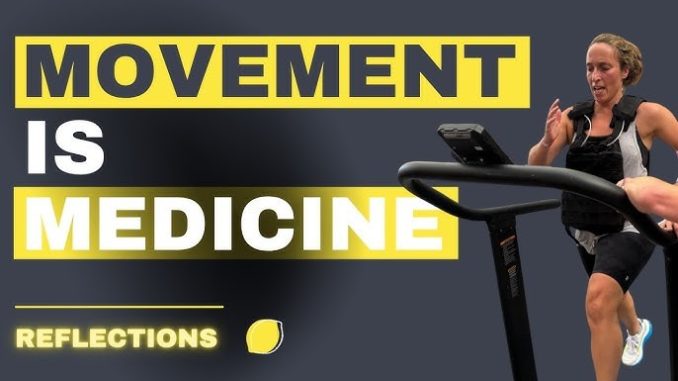
Movement has long been recognized as essential to human health, but in recent years it has increasingly been understood as a form of medicine in its own right. The idea that physical activity can prevent, manage, and even reverse certain health conditions is no longer confined to athletic circles or wellness enthusiasts. It is now a central theme in healthcare and business discussions alike, as organizations and individuals begin to appreciate the profound impact that movement has on productivity, resilience, and overall well-being.
At its most basic level, movement supports the body’s natural systems. Regular physical activity improves circulation, strengthens the heart, and enhances lung capacity, ensuring that oxygen and nutrients reach every cell efficiently. This translates into greater energy and stamina, qualities that are invaluable in professional environments where sustained focus and performance are required. Movement also stimulates the release of endorphins, the body’s natural mood enhancers, which help reduce stress and foster a sense of balance even in high-pressure situations.
The medicinal power of movement extends to chronic disease prevention and management. Conditions such as diabetes, hypertension, and obesity are often linked to sedentary lifestyles, and incorporating regular activity can dramatically reduce their prevalence. For individuals already managing these conditions, movement acts as a therapeutic tool, improving insulin sensitivity, lowering blood pressure, and supporting weight control. In business contexts, this means fewer sick days, lower healthcare costs, and a workforce that is healthier and more engaged.
Beyond physical health, movement plays a critical role in cognitive function. Studies have shown that regular activity enhances memory, sharpens concentration, and boosts creativity. This is particularly relevant in professional settings where innovation and problem-solving are prized. Movement increases blood flow to the brain, delivering oxygen and nutrients that support neural activity. It also stimulates the growth of new brain cells, reinforcing the idea that physical activity is not just about maintaining the body but also about cultivating mental agility.
Stress management is another area where movement acts as medicine. Physical activity helps regulate cortisol, the hormone associated with stress, and promotes relaxation through rhythmic, repetitive motions. Whether it is walking, stretching, or more vigorous exercise, movement provides a natural outlet for tension. For professionals, this can mean approaching challenges with greater composure and maintaining clarity in decision-making. Organizations that encourage movement during the workday often find that employees are more resilient and better equipped to handle demanding schedules.
The benefits of movement also extend to emotional health. Regular activity has been linked to reduced symptoms of depression and anxiety, offering a natural complement to traditional therapies. Movement fosters a sense of accomplishment and self-efficacy, reinforcing confidence and emotional stability. In professional environments, where mental health challenges can affect performance and morale, promoting movement as medicine creates a culture of support and balance. Employees who feel emotionally strong are more likely to contribute positively to team dynamics and organizational goals.
Importantly, movement does not have to be extreme to be effective. Small, consistent actions such as taking the stairs, walking during breaks, or stretching at a desk can accumulate into meaningful health benefits. This accessibility makes movement a practical form of medicine for people at all levels of fitness and across diverse professional settings. It shifts the narrative from exercise as a chore to movement as a natural and enjoyable part of daily life, reinforcing sustainability over intensity.
The workplace is an ideal setting to integrate movement as medicine. Organizations that design spaces to encourage activity, such as standing desks, walking paths, or wellness programs, create environments where health is embedded into the culture. These initiatives not only improve employee well-being but also enhance engagement and productivity. Movement becomes a shared value, signaling that the organization prioritizes the health of its people as much as their performance. This alignment strengthens trust and loyalty, contributing to long-term success.
Movement also fosters connection and collaboration. Group activities such as team walks, fitness challenges, or yoga sessions create opportunities for employees to bond outside of traditional work tasks. These shared experiences build camaraderie and improve communication, enhancing overall organizational culture. In this way, movement acts as medicine not only for individuals but also for the collective, strengthening relationships and reinforcing a sense of community.
The economic implications of movement as medicine are significant. By reducing the burden of chronic disease and improving mental health, organizations can lower healthcare costs and increase productivity. Employees who are healthier and more energized are less likely to experience burnout, reducing turnover and preserving institutional knowledge. Movement becomes a strategic investment, yielding returns that extend beyond health into performance, innovation, and organizational resilience.
Technology has expanded the possibilities for integrating movement into daily life. Wearable devices, apps, and digital platforms provide tools to track activity, set goals, and encourage consistency. These resources make movement more engaging and accessible, particularly for professionals with demanding schedules. Businesses that leverage technology to support wellness initiatives empower employees to take ownership of their health, reinforcing the idea that movement is both personal and collective medicine.
The future of healthcare and business will increasingly recognize movement as a cornerstone of well-being. As organizations seek to build resilience and adaptability, promoting physical activity will become a central strategy. Movement is not just about fitness; it is about creating conditions where individuals and teams can thrive. By embracing movement as medicine, businesses can cultivate healthier, more productive, and more innovative workforces.
Ultimately, the power of movement lies in its simplicity and universality. It requires no prescription, no specialized equipment, and no extraordinary effort—only a commitment to consistency and awareness. Movement is a reminder that the body and mind are interconnected, and that nurturing one supports the other. For professionals and organizations alike, recognizing movement as medicine is a step toward building healthier, more sustainable futures, where success is measured not only in outcomes but also in the well-being of the people who achieve them.