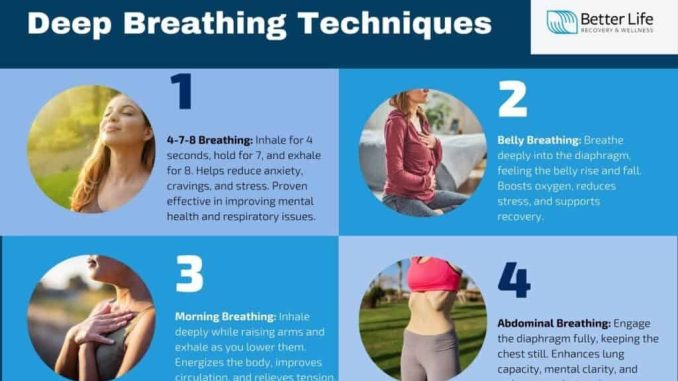
Breathing is so automatic that most people rarely think about it, yet the way we breathe can have a profound impact on health, performance, and overall well-being. While shallow, rapid breathing has become common in fast-paced modern life, slow and deep breathing offers a set of benefits that go far beyond the obvious. This simple act engages powerful systems in the body, influencing everything from stress regulation to cognitive performance. For professionals accustomed to complex strategies and data-driven decisions, it can be surprising to realize that something as basic as intentional breathing can be one of the most effective tools for maintaining resilience in demanding environments.
One of the hidden benefits of slow, deep breathing is its ability to regulate the nervous system. Breathing deeply activates the parasympathetic nervous system, the body’s “rest and digest” mode, which counterbalances the constant activation of the sympathetic, or “fight or flight,” response. When breathing is shallow and rapid, the body interprets this as stress, keeping cortisol levels elevated and the heart rate high. Over time, this state leads to fatigue, irritability, and weakened immunity. In contrast, slow breathing lowers cortisol and heart rate, creating a calm, steady state that allows the body to recover. This is particularly valuable for professionals facing relentless deadlines or high-pressure decisions, as it enables sharper thinking without the wear and tear of constant stress.
Deep breathing also has direct effects on physical performance by improving oxygen exchange. Shallow breaths tend to fill only the upper chest, leaving much of the lungs unused and limiting oxygen intake. Slow, diaphragmatic breathing, on the other hand, expands the lungs fully, drawing oxygen deeper into the body and removing carbon dioxide more effectively. This increased efficiency enhances energy, reduces fatigue, and supports better endurance during both physical and mental tasks. Just as businesses perform better when their operations run smoothly and waste is minimized, the body functions more effectively when oxygen delivery is optimized through proper breathing.
The impact of deep breathing on focus and cognition is another area that often goes unnoticed. By slowing the breath, the brain receives a steadier supply of oxygen, which improves clarity, concentration, and memory. This is why practices like meditation or mindfulness, which emphasize controlled breathing, often result in sharper awareness. For a professional preparing for a presentation, negotiation, or intense work session, taking a few minutes for slow breathing can serve as a reset, clearing mental clutter and enhancing composure. It is a subtle yet powerful tool for improving performance in moments when precision and calm are required.
Sleep is also influenced by breathing patterns. Stress and shallow breathing can keep the body in a state of hyperarousal, making it difficult to fall asleep or stay asleep. Slow, deep breathing before bed signals to the nervous system that it is safe to relax, helping to lower heart rate and prepare the body for rest. This practice improves not only the ability to fall asleep but also the quality of sleep, allowing for deeper, more restorative rest. For professionals, this connection is critical, as restorative sleep directly affects productivity, mood, and resilience the following day. By integrating slow breathing into evening routines, individuals can create conditions for both physical recovery and sharper performance.
Another hidden benefit lies in the effect of deep breathing on emotional regulation. Stressful situations often trigger shallow breathing without conscious awareness, which in turn reinforces feelings of anxiety or tension. By intentionally slowing the breath, individuals can interrupt this cycle, reducing the intensity of negative emotions. This does not eliminate stressors but changes the way the body responds to them. In business terms, it is like shifting from a reactive strategy to a proactive one—still addressing challenges, but from a position of clarity and control rather than panic. Over time, this practice builds resilience, making it easier to remain composed under pressure.
Deep breathing also supports cardiovascular health by lowering blood pressure and improving circulation. Regular practice has been shown to increase heart rate variability, a marker of the body’s ability to adapt to stress. High heart rate variability indicates resilience, while low variability suggests the body is under strain. Through consistent deep breathing, the cardiovascular system becomes more flexible and better equipped to handle daily demands. This mirrors the adaptability that successful organizations cultivate, allowing them to respond effectively to shifting conditions without losing stability.
The beauty of slow, deep breathing is that it requires no special equipment, no dedicated space, and no significant time investment. It can be practiced at a desk between meetings, in the car before a presentation, or even during moments of tension in conversation. The accessibility of this practice makes it an ideal tool for professionals who struggle to find time for longer wellness routines. Just a few minutes of intentional breathing can shift physiology in meaningful ways, creating space for better decisions and improved health outcomes.
Ultimately, the hidden benefits of slow, deep breathing underscore how profoundly simple actions can influence complex systems. By regulating stress, enhancing oxygen exchange, supporting focus, improving sleep, stabilizing emotions, and strengthening cardiovascular health, deep breathing serves as a foundational practice for overall wellness. For professionals navigating high-pressure environments, it offers a cost-free, practical tool for maintaining balance and resilience. Much like effective leadership, which often relies on steady presence rather than dramatic gestures, slow breathing delivers quiet but powerful results. By making it a consistent part of daily life, individuals equip themselves with a reliable resource for both health and performance, ensuring they can meet challenges with clarity and composure.
Would you like me to also prepare a shorter 400–500 word version of this article that could work well for newsletters or LinkedIn wellness posts?