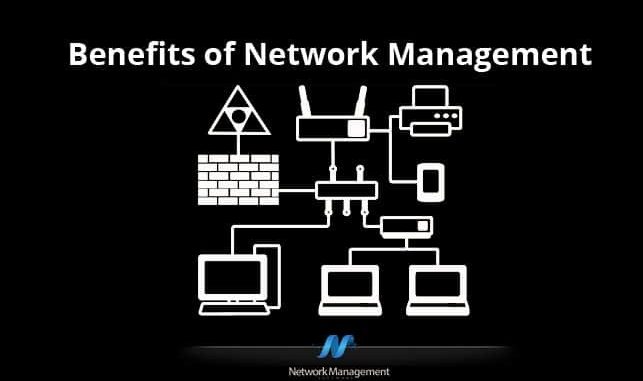
In today’s digital economy, networks form the backbone of nearly every business operation. From communication and collaboration to customer engagement and data management, the health of a company’s network directly influences its ability to function smoothly. This is why network monitoring tools have become indispensable. They provide visibility into the performance, security, and reliability of systems, ensuring that businesses can operate with confidence in an environment where downtime or disruption can have significant consequences.
One of the most immediate benefits of network monitoring tools is the ability to detect problems before they escalate. Networks are complex ecosystems with countless devices, applications, and connections interacting simultaneously. Without monitoring, issues such as bandwidth congestion, failing hardware, or misconfigured systems can go unnoticed until they cause major disruptions. Monitoring tools continuously scan for anomalies, alerting administrators to potential problems early. This proactive approach reduces downtime and helps organizations maintain consistent service levels.
Performance optimization is another critical advantage. Businesses rely on fast, reliable networks to support everything from video conferencing to cloud applications. Monitoring tools track metrics such as latency, packet loss, and throughput, providing insights into how resources are being used. With this information, IT teams can identify bottlenecks, balance loads, and fine-tune configurations to maximize efficiency. The result is a smoother user experience, which directly impacts productivity and customer satisfaction.
Security is an area where network monitoring tools have an increasingly important role. Cyber threats are growing more sophisticated, and attackers often exploit small vulnerabilities that can go unnoticed. Monitoring tools help detect unusual traffic patterns, unauthorized access attempts, or suspicious activity that may indicate a breach. By providing real-time alerts, they enable organizations to respond quickly, minimizing damage and protecting sensitive data. In many cases, monitoring tools act as the first line of defense, complementing firewalls and other security systems.
Cost savings are another significant benefit. Downtime is expensive, not only in terms of lost revenue but also in reputational damage and recovery expenses. By reducing outages and improving efficiency, monitoring tools help businesses avoid these costs. They also extend the lifespan of hardware by identifying issues before they lead to failure, allowing for timely maintenance rather than costly replacements. Over time, the investment in monitoring tools pays for itself through reduced operational expenses and improved resource utilization.
Network monitoring tools also enhance visibility across increasingly complex environments. Modern businesses often operate hybrid infrastructures that combine on-premises systems with cloud services. This complexity makes it difficult to maintain a clear picture of performance and security. Monitoring tools provide centralized dashboards that consolidate data from diverse sources, giving administrators a comprehensive view of the entire network. This visibility simplifies management and ensures that no part of the infrastructure is overlooked.
Scalability is another factor that makes monitoring tools valuable. As businesses grow, their networks expand, often across multiple locations and platforms. Monitoring tools are designed to scale with these changes, providing consistent oversight regardless of size or complexity. This adaptability ensures that organizations can continue to rely on their monitoring systems as they evolve, supporting growth without sacrificing reliability.
The role of monitoring tools in compliance should not be underestimated. Many industries are subject to strict regulations regarding data security and system reliability. Monitoring tools help organizations meet these requirements by providing detailed logs, reports, and audit trails. These records not only demonstrate compliance but also support accountability and transparency. For businesses operating in regulated sectors, monitoring tools are essential for avoiding penalties and maintaining trust with stakeholders.
Another benefit lies in the ability to support strategic decision-making. The data collected by monitoring tools goes beyond troubleshooting; it provides insights into long-term trends and usage patterns. Businesses can use this information to plan upgrades, allocate resources, and forecast future needs. By turning raw data into actionable intelligence, monitoring tools contribute to smarter investments and more effective strategies.
The psychological reassurance provided by monitoring tools is also worth noting. IT teams and business leaders gain confidence knowing that systems are being watched continuously. This peace of mind allows them to focus on innovation and growth rather than worrying about unseen vulnerabilities. In a competitive environment, this confidence can be a differentiator, enabling businesses to move forward boldly while maintaining stability.
Collaboration within organizations is improved when monitoring tools are in place. Different departments often rely on the same network resources, and disruptions can affect everyone. Monitoring tools provide transparency, allowing teams to understand the root causes of issues and work together on solutions. This shared visibility fosters cooperation and reduces friction, strengthening the overall resilience of the business.
The integration of artificial intelligence and machine learning into monitoring tools is expanding their capabilities even further. These technologies allow systems to predict potential issues based on historical data, automate responses to common problems, and continuously adapt to changing conditions. This evolution transforms monitoring from a reactive process into a predictive one, further enhancing resilience and efficiency.
Ultimately, the benefits of network monitoring tools extend far beyond technical oversight. They provide the foundation for reliability, security, and efficiency in a digital-first world. By offering visibility, proactive detection, and actionable insights, they empower businesses to operate with confidence and agility. In an era where networks are the lifeblood of organizations, monitoring tools are not just a convenience but a necessity, ensuring that systems remain strong, secure, and ready to support growth.