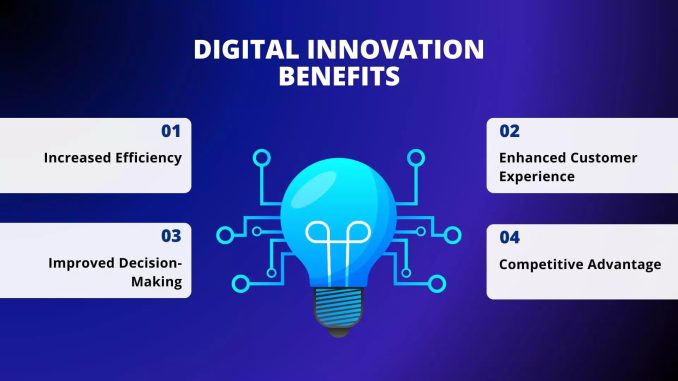
Digital transformation has become one of the most significant drivers of change in modern business, reshaping how organizations operate, deliver value, and compete in an increasingly digital-first world. While the term itself can sometimes feel broad or abstract, the benefits of digital transformation initiatives are tangible and far-reaching. They extend beyond technology adoption to encompass cultural shifts, operational improvements, and strategic advantages that position companies for long-term success.
One of the most immediate benefits is the ability to enhance customer experience. In today’s marketplace, customers expect seamless, personalized, and responsive interactions across digital channels. Digital transformation allows businesses to leverage data analytics, automation, and cloud-based platforms to deliver these experiences consistently. By understanding customer behavior in real time and tailoring services accordingly, organizations can build stronger relationships and foster loyalty in ways that traditional models simply cannot match.
Operational efficiency is another critical outcome of digital transformation. Legacy systems and manual processes often slow down workflows and create bottlenecks. By digitizing operations, companies can streamline processes, reduce redundancies, and improve accuracy. Automation tools, for instance, can handle repetitive tasks, freeing employees to focus on higher-value activities. This not only reduces costs but also increases productivity, enabling organizations to achieve more with fewer resources while maintaining quality and consistency.
Data-driven decision making is a cornerstone of digital transformation. Businesses today generate vast amounts of data, but without the right tools, much of it remains untapped. Digital initiatives provide the infrastructure to collect, analyze, and interpret data effectively. With advanced analytics and artificial intelligence, leaders can gain insights into market trends, customer preferences, and operational performance. These insights empower organizations to make informed decisions quickly, reducing risk and improving strategic agility.
Scalability is another advantage that digital transformation brings to the table. Traditional business models often struggle to adapt to sudden changes in demand or market conditions. Cloud-based solutions and digital platforms allow organizations to scale operations up or down with ease, ensuring they remain responsive and resilient. This flexibility is particularly valuable in industries where demand fluctuates or where rapid innovation is essential to stay competitive.
Digital transformation also fosters innovation by creating an environment where experimentation is encouraged and supported. With modern tools and platforms, businesses can test new ideas, launch products faster, and iterate based on feedback. This culture of innovation helps organizations stay ahead of competitors and respond to evolving customer needs. It also reduces the fear of failure, as digital systems allow for rapid prototyping and adjustments without the heavy costs associated with traditional development cycles.
Employee empowerment is another often overlooked benefit. Digital tools not only improve efficiency but also enhance collaboration and communication. Platforms that enable remote work, real-time collaboration, and knowledge sharing give employees greater flexibility and autonomy. This empowerment leads to higher engagement, improved morale, and a stronger sense of ownership. In turn, organizations benefit from a workforce that is more motivated and aligned with strategic goals.
Cost optimization is a natural result of digital transformation initiatives. By reducing reliance on outdated systems, minimizing manual errors, and streamlining processes, businesses can achieve significant savings. Moreover, digital solutions often operate on subscription or usage-based models, allowing organizations to pay only for what they need. This financial flexibility makes it easier to allocate resources strategically and invest in areas that drive growth.
Resilience is another critical benefit, particularly in a world where disruptions are increasingly common. Whether facing supply chain challenges, economic shifts, or global crises, digitally transformed organizations are better equipped to adapt. Cloud infrastructure, automated workflows, and digital communication channels ensure continuity even in uncertain times. This resilience not only protects operations but also builds confidence among customers, partners, and stakeholders.
Digital transformation also strengthens competitive positioning. Companies that embrace digital initiatives can differentiate themselves by offering superior experiences, faster services, and more innovative solutions. In industries where digital adoption is uneven, early adopters gain a significant advantage, setting new standards that competitors must strive to meet. This leadership position can translate into market share growth and long-term sustainability.
Another benefit lies in regulatory compliance and risk management. Many industries face complex regulatory requirements, and digital tools can simplify compliance by automating reporting, monitoring, and documentation. This reduces the risk of errors and ensures that organizations remain aligned with legal and industry standards. At the same time, advanced cybersecurity measures embedded in digital systems help protect sensitive data and mitigate risks associated with cyber threats.
The cultural impact of digital transformation should not be underestimated. Successful initiatives often require organizations to embrace change, encourage collaboration, and promote continuous learning. This cultural shift creates a more agile and adaptive workforce, one that is better prepared to navigate future challenges. By fostering a mindset of innovation and adaptability, businesses can ensure that digital transformation is not just a one-time project but an ongoing journey of growth.
Ultimately, the benefits of digital transformation initiatives extend far beyond technology. They touch every aspect of an organization, from customer engagement and operational efficiency to employee empowerment and strategic resilience. By embracing digital transformation, businesses position themselves to thrive in a world where change is constant and competition is fierce. The journey may require investment and cultural adjustment, but the rewards are substantial, offering a path to sustainable success in the digital age.