In the relentless rhythm of modern professional life, it’s easy to fall into a state of perpetual urgency. The inbox overflows, a project deadline looms, the phone rings incessantly, and every request, notification, and demand seems to scream for immediate attention. This feeling that everything is a top priority creates a debilitating paradox: when everything is urgent, nothing truly is. We become reactive, constantly putting out fires and jumping from one task to the next, mistaking frantic activity for genuine productivity. This mode of operation is not only exhausting but also highly ineffective, as we spend our energy on a whirlwind of minor tasks while the most important, strategic work languishes. Breaking free from this cycle requires a deliberate and systematic shift from simply reacting to a state of calm, focused proactivity, a skill that is far more valuable than the ability to juggle a dozen small crises at once.
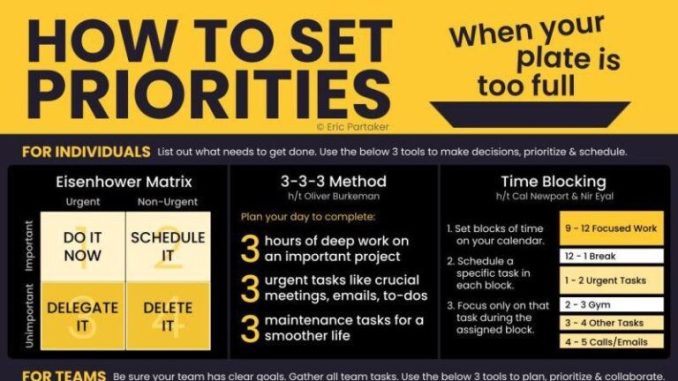
The first and most crucial step is to gain clarity by stepping back from the immediate chaos. This is often the hardest part, as the very act of pausing feels counterintuitive when you believe you’re running out of time. However, it’s during this moment of reflection that we can begin to differentiate between what is truly important and what is merely urgent. A helpful mental model for this is the Eisenhower Matrix, which categorizes tasks into four quadrants: urgent and important, important but not urgent, urgent but not important, and neither urgent nor important. The “urgent and important” tasks are the fires you must put out—the true crises and deadlines. The “urgent but not important” tasks are the distractions—the incessant emails, the phone calls that can be delegated, and the trivial requests that pull you away from meaningful work. Acknowledging this distinction is the key to regaining control and moving from a reactive to a strategic mindset.
Once you have categorized your tasks, the real work of prioritizing begins. The biggest trap is to spend all your time on the urgent and important, leaving no time for the important but not urgent. This quadrant—which includes strategic planning, building relationships, professional development, and proactive problem-solving—is where long-term success is truly forged. By neglecting these tasks, we inadvertently create future crises. For example, if you’re constantly fighting fires related to a client project, it’s likely because you haven’t taken the time to do the important-but-not-urgent work of setting clear expectations or building a robust project plan. The goal, therefore, is not just to tackle the urgent tasks but to deliberately carve out dedicated time for the important-but-not-urgent ones. This means scheduling time on your calendar for thinking, planning, and learning, treating it with the same reverence you would a client meeting.
Another powerful strategy is to understand and manage your own energy and focus. Not all tasks require the same mental state. Highly analytical or creative work often requires uninterrupted focus, while administrative tasks can be handled during times when your energy is lower. Instead of trying to force yourself to work on a difficult project when you’re feeling distracted, batch the urgent-but-not-important tasks—like responding to emails or making phone calls—to those lower-energy periods. This practice, known as time blocking, allows you to align the type of work with your natural rhythms, leading to higher quality output and a greater sense of control. By being intentional about when you work on what, you can avoid the feeling of being pulled in multiple directions and maintain a state of calm focus throughout the day.
Ultimately, the ability to set priorities in a chaotic world is not just a productivity hack; it’s a practice of self-discipline and strategic thinking. It requires the courage to say “no” to things that don’t align with your goals, the discipline to protect time for what truly matters, and the humility to delegate tasks that can be handled by others. By consistently applying a framework for prioritization, you can transform your professional life from a frantic series of reactions into a deliberate and meaningful pursuit of your most important goals. The noise will always be there, but by mastering the art of setting priorities, you gain the power to turn down the volume and focus on the signals that truly matter.