Insuring a podcast studio may not be the first thing that comes to mind when launching a show, but it’s a crucial part of protecting the creative and financial investment behind the mic. As podcasting continues to grow into a mainstream media format, studios—whether home-based or commercial—are becoming more sophisticated, with high-end equipment, production teams, and monetization strategies. These developments bring with them a range of risks that traditional insurance policies may not fully address. Understanding how to insure your podcast studio means recognizing the unique blend of property, liability, and business exposures that come with producing audio content in a dynamic and often public-facing environment.
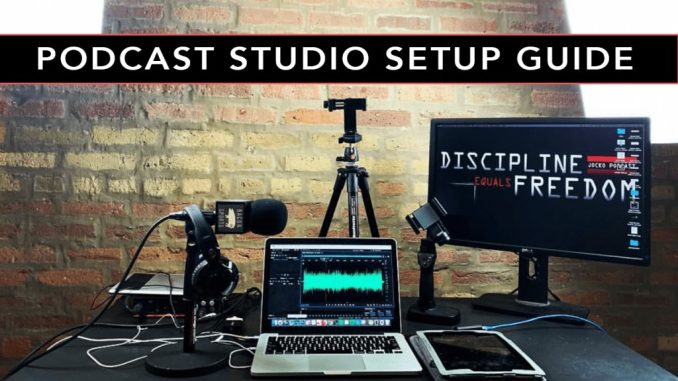
The most obvious starting point is property insurance. Podcast studios typically house expensive gear, including microphones, mixers, audio interfaces, computers, soundproofing materials, and editing software. These items are not only costly to replace but also essential to daily operations. A fire, theft, or water damage incident could halt production and lead to significant financial loss. Standard homeowners or renters insurance may offer limited coverage, especially if the studio is used for commercial purposes. That’s why a dedicated business property policy is often necessary. It ensures that your equipment is covered for its full replacement value and that you can recover quickly from unexpected setbacks.
Liability coverage is another critical consideration, particularly for studios that host guests, collaborate with sponsors, or operate in shared spaces. General liability insurance protects against claims of bodily injury or property damage that occur on the premises. For example, if a guest trips over a cable and gets injured, or if a piece of equipment damages a rented space, liability coverage can help cover medical expenses and legal fees. It also provides peace of mind when working with third parties, as many venues and partners require proof of insurance before entering into agreements. For podcasters who conduct interviews or live recordings with an audience, this coverage becomes even more relevant.
Professional liability insurance, also known as errors and omissions coverage, addresses risks related to the content itself. Podcasts often involve commentary, interviews, and storytelling that can touch on sensitive topics. If a guest or listener claims that something said on the show caused reputational harm or financial loss, the podcaster could face legal action. Professional liability insurance helps cover defense costs and potential settlements, allowing creators to navigate disputes without derailing their business. This type of coverage is particularly important for shows that delve into news, politics, health, or legal advice, where the stakes are higher and the potential for controversy is greater.
Business interruption insurance adds another layer of protection by covering lost income and ongoing expenses if the studio becomes temporarily unusable due to a covered event. For example, if a flood damages your recording space and you’re unable to produce episodes for several weeks, this coverage can help replace lost revenue and keep your business afloat. It’s especially valuable for podcasters with sponsorship deals, subscription models, or advertising commitments that depend on consistent output. By providing financial support during downtime, business interruption insurance helps maintain stability and credibility with listeners and partners.
Cyber liability insurance is increasingly relevant for podcast studios that manage digital assets, store customer data, or rely on online platforms for distribution and monetization. A data breach, hacking incident, or ransomware attack could compromise sensitive information and disrupt operations. Cyber insurance helps cover the costs of data recovery, legal defense, regulatory fines, and public relations efforts. It also supports business continuity by addressing the technical and reputational fallout of cyber incidents. As podcasting becomes more integrated with e-commerce, analytics, and audience engagement tools, protecting against digital threats is no longer optional—it’s essential.
Choosing the right insurance for your podcast studio involves a careful assessment of your setup, workflow, and business model. A solo podcaster working from a home office may need different coverage than a production company with multiple employees and commercial space. Working with an insurance advisor who understands media and creative industries can help tailor policies to your specific needs. They can identify potential exposures, recommend appropriate limits, and ensure that your coverage evolves as your studio grows. For example, expanding into video production or live events may require additional endorsements or separate policies.
Documentation and organization are key to managing insurance effectively. Keeping records of equipment purchases, guest releases, sponsorship agreements, and production schedules can support your case in the event of a claim. It also helps insurers assess your risk accurately and offer competitive premiums. Transparency and diligence go a long way in building a strong relationship with your insurance provider and ensuring that you’re prepared for whatever challenges may arise.
Ultimately, insuring your podcast studio is about more than compliance or risk avoidance. It’s about protecting the creative space where ideas are born, stories are shared, and audiences are built. It’s about ensuring that technical setbacks, legal disputes, or unexpected events don’t derail your momentum or compromise your vision. By investing in comprehensive coverage and working with knowledgeable professionals, podcasters can focus on what they do best—creating compelling content—while knowing that their studio is secure. In a medium defined by voice and connection, insurance provides the foundation for consistency, credibility, and growth.