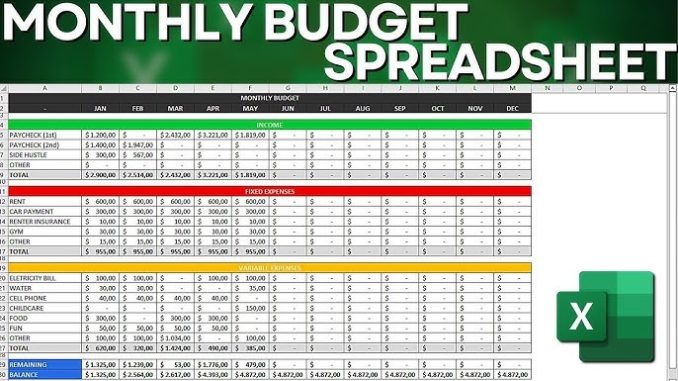
Analyzing your budget monthly is one of the most effective habits you can build to maintain financial clarity and control. It’s not just about checking whether you stayed within limits—it’s about understanding the story your numbers are telling. Each month brings its own rhythm of income, expenses, and unexpected shifts, and reviewing your budget regularly allows you to respond with intention rather than surprise. This process helps you identify patterns, adjust for changes, and make smarter decisions that align with your goals. It’s a practice that transforms budgeting from a static document into a dynamic tool for financial growth.
The first step in a monthly budget analysis is to reconcile your actual spending with your planned allocations. This means comparing what you intended to spend in each category—such as groceries, transportation, entertainment, and savings—with what actually happened. The goal isn’t to punish yourself for overspending but to understand why it occurred. For example, if your dining out expenses were higher than expected, was it due to a special occasion, a busy schedule, or a shift in priorities? Recognizing the reasons behind the numbers helps you decide whether to adjust your budget or your behavior. It’s about learning, not judging.
Income should also be reviewed with the same level of attention. If you’re salaried, this may be straightforward, but for freelancers, business owners, or those with variable income, tracking earnings month to month is essential. Understanding fluctuations in income allows you to plan more effectively and avoid shortfalls. For instance, if you notice that your income dips every January, you can prepare by building a buffer in December. Monthly analysis helps you spot these trends early and adapt your strategy accordingly, rather than scrambling to cover gaps after the fact.
One of the most valuable insights from monthly budget reviews is the identification of recurring but irregular expenses. These are costs that don’t show up every month but still need to be accounted for—things like annual subscriptions, car maintenance, or holiday spending. By tracking these over time, you can build sinking funds or adjust your monthly allocations to smooth out the impact. For example, if you know your car insurance is due every six months, setting aside a portion each month prevents a sudden hit to your budget. This kind of foresight turns budgeting into a proactive exercise rather than a reactive one.
Savings and debt repayment deserve special attention during your monthly review. These categories reflect your progress toward long-term goals and financial stability. If you’re consistently meeting your savings targets, that’s a sign your budget is working. If not, it may be time to reassess your priorities or find areas to trim. The same applies to debt—tracking how much you’re paying down each month helps you stay motivated and ensures that your repayment strategy is effective. For instance, if you’re focusing on high-interest debt, seeing the balance decrease month by month reinforces the value of your efforts and keeps you engaged.
Unexpected expenses are inevitable, and how you handle them reveals a lot about the resilience of your budget. When reviewing your month, take note of any surprises and how they were covered. Did you dip into savings, use credit, or reallocate funds from other categories? These decisions offer insight into the flexibility of your financial plan. If surprises are frequent, it may be worth building a larger emergency fund or adding a miscellaneous category to your budget. The goal is to create a system that can absorb shocks without derailing your progress.
Behavioral patterns also emerge through monthly analysis. You might notice that certain times of the month are more prone to spending, or that emotional triggers lead to specific purchases. For example, if you tend to shop online late at night or spend more on weekends, recognizing these habits allows you to build safeguards. This could mean setting spending limits, unsubscribing from promotional emails, or simply being more mindful during those periods. Budgeting isn’t just about numbers—it’s about behavior, and monthly reviews help you connect the two.
Technology can enhance the process, but it’s not a substitute for engagement. Budgeting apps and financial dashboards provide useful data, but the real value comes from interpreting that data in the context of your life. Setting aside time each month to sit down, review your budget, and reflect on your financial decisions creates a rhythm that reinforces accountability. It’s a chance to celebrate wins, learn from missteps, and recalibrate your plan. For example, if you managed to save more than expected, you might decide to allocate the surplus toward a specific goal or treat yourself within reason.
Communication is important if you share finances with a partner or family. Monthly budget reviews provide an opportunity to align on goals, discuss changes, and make joint decisions. This fosters transparency and reduces the likelihood of conflict. For instance, if one partner wants to increase savings for a future home while the other is focused on paying down student loans, monthly discussions help balance those priorities and find common ground. It’s not just about managing money—it’s about managing relationships through shared understanding and collaboration.
Ultimately, analyzing your budget monthly is about staying connected to your financial life. It’s a habit that builds awareness, supports adaptability, and reinforces intentionality. By consistently reviewing your income, expenses, goals, and behaviors, you create a feedback loop that strengthens your financial foundation. You’re not just tracking numbers—you’re shaping your future, one month at a time. And with each review, you gain more insight, more confidence, and more control over the path ahead.