Car insurance has long been a staple of responsible vehicle ownership, offering financial protection against accidents, theft, and liability. For many drivers, it’s a legal requirement and a box to check before hitting the road. But as vehicles become more advanced and lifestyles more complex, the concept of auto protection is evolving. What was once a straightforward policy is now part of a broader conversation about comprehensive coverage, risk management, and long-term value. Moving from basic car insurance to comprehensive auto protection means rethinking what it means to truly safeguard your mobility, your investment, and your peace of mind.
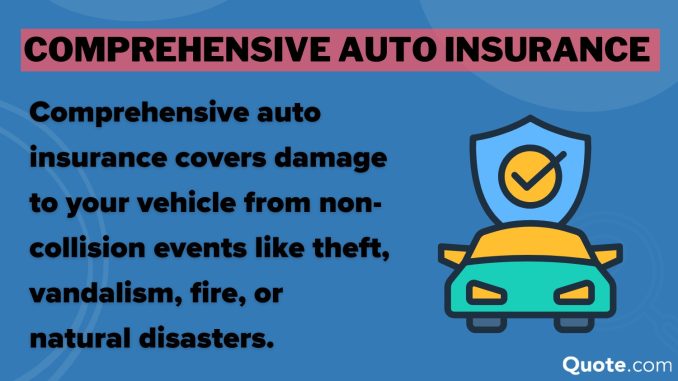
At its most basic, car insurance typically includes liability coverage, which pays for damages or injuries you cause to others. It may also include collision coverage, which helps repair your own vehicle after an accident, and comprehensive coverage, which protects against non-collision events like theft, vandalism, or natural disasters. These components form the foundation of most policies, but they don’t always account for the full spectrum of risks that modern drivers face. For example, if your car is damaged by a flood or a falling tree, comprehensive coverage may help—but what about the cost of a rental car while yours is being repaired, or the diminished value of your vehicle after a major accident?
Comprehensive auto protection goes beyond the basics by addressing these gaps. It’s about building a layered strategy that reflects your lifestyle, your vehicle’s value, and your tolerance for risk. For someone who commutes daily in a high-traffic area, roadside assistance and rental reimbursement might be essential. For a driver of a luxury or electric vehicle, coverage for specialized parts and labor becomes more relevant. And for those who frequently travel or rely on their car for business, protection against interruptions and liabilities takes on greater importance. The goal is not to over-insure, but to ensure that your coverage matches your reality.
Technology is playing a growing role in this shift. Telematics, for instance, allows insurers to monitor driving behavior and offer personalized rates based on actual usage. Safe drivers may benefit from lower premiums, while those with riskier habits receive feedback and incentives to improve. This data-driven approach not only enhances pricing accuracy but also encourages safer driving. Similarly, mobile apps now enable policyholders to manage claims, access roadside assistance, and receive alerts in real time. These tools make auto protection more interactive and responsive, transforming it from a passive policy into an active partnership.
Another dimension of comprehensive protection involves understanding the financial implications of vehicle ownership. Depreciation, maintenance, and unexpected repairs can erode the value of your investment over time. Gap insurance, which covers the difference between your car’s market value and the amount you owe on a loan, is one example of how coverage can be tailored to financial realities. For new car buyers, this can be a crucial safeguard, especially in the early years when depreciation is steep. Extended warranties and mechanical breakdown insurance offer additional layers of protection, helping to manage repair costs and preserve vehicle performance.
Liability exposure is also evolving. With more people using their personal vehicles for rideshare or delivery services, traditional policies may not provide adequate coverage. Specialized endorsements or commercial auto policies are often required to fill this gap. Without them, drivers risk having claims denied or facing significant out-of-pocket expenses. Comprehensive auto protection recognizes these nuances and adapts accordingly. It’s not just about the car—it’s about how the car is used, and what risks that usage entails.
Environmental factors are another consideration. Climate change has increased the frequency and severity of weather-related events, from floods to wildfires. Standard policies may not fully account for these risks, especially in high-exposure areas. Comprehensive protection involves evaluating geographic vulnerabilities and ensuring that coverage reflects them. It may also include proactive measures, such as installing protective devices or choosing insurers that offer incentives for risk mitigation. This approach aligns insurance with broader sustainability goals, encouraging responsible ownership and resilience.
Education and engagement are key to making the most of comprehensive auto protection. Policyholders who understand their coverage, ask questions, and stay informed are better equipped to make strategic decisions. This includes knowing how to file a claim, what documentation is required, and how to advocate for fair treatment. It also means reviewing policies regularly, especially after major life changes like moving, buying a new vehicle, or changing driving habits. Insurance is not a static product—it’s a dynamic tool that should evolve with you.
Ultimately, the journey from basic car insurance to comprehensive auto protection is about empowerment. It’s about recognizing that your vehicle is more than just a mode of transportation—it’s a part of your daily life, your financial portfolio, and your personal safety. By taking a thoughtful, proactive approach to coverage, you can drive with greater confidence, knowing that you’re prepared for whatever the road may bring. Comprehensive protection isn’t just about covering losses—it’s about preserving value, minimizing disruption, and supporting your mobility in a meaningful way. And in a world where uncertainty is always around the corner, that kind of assurance is not just practical—it’s essential.