In the realm of business communication, presentations are often treated as formal rituals—structured, predictable, and frequently forgettable. The traditional lecture-style approach, where a speaker delivers information to a passive audience, has long dominated boardrooms, conferences, and training sessions. Yet, as the demands of modern business evolve, so too must the way we present ideas. Moving beyond lectures means embracing a more engaging, interactive, and human-centered style of communication—one that not only informs but inspires.
At its core, an engaging presentation is a conversation, not a monologue. It invites the audience to participate mentally, emotionally, and sometimes even physically. This shift begins with the presenter’s mindset. Rather than viewing the audience as recipients of information, effective presenters see them as collaborators in a shared experience. This subtle but powerful reframing changes everything—from the tone of voice to the choice of visuals to the structure of the narrative. It’s no longer about delivering facts; it’s about creating meaning.
Consider the difference between a quarterly financial update delivered through a series of dense slides and one that tells the story of the company’s journey over the past three months. The former may be accurate, but the latter is memorable. When a CFO frames the numbers within the context of challenges overcome, strategic pivots, and team achievements, the data comes alive. Employees don’t just hear about revenue—they understand what drove it. They see themselves in the story. That emotional connection is what transforms a presentation from a lecture into a moment of engagement.
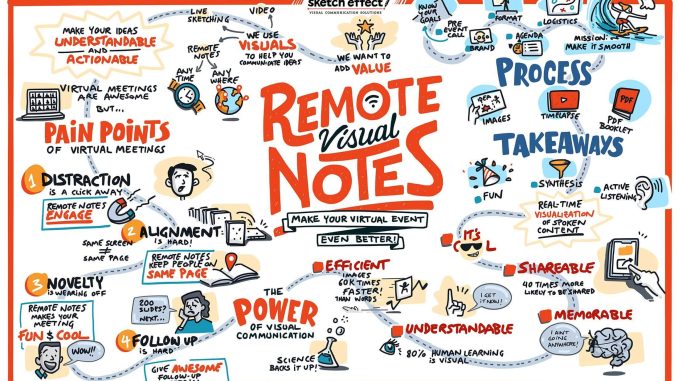
Visuals play a critical role in this transformation. In traditional lectures, slides often serve as teleprompters, crammed with bullet points and jargon. Engaging presentations, on the other hand, use visuals to enhance understanding and evoke emotion. A well-chosen image, a simple chart, or a short video clip can convey complexity with clarity. More importantly, visuals can create rhythm and pacing, guiding the audience through the narrative like chapters in a book. When used thoughtfully, they become tools of persuasion rather than mere decoration.
But engagement is not just about aesthetics—it’s about interaction. Presenters who ask questions, invite feedback, or incorporate live polling signal to their audience that their input matters. This doesn’t mean turning every presentation into a workshop, but even small gestures—like pausing to ask, “Does this resonate with your experience?”—can shift the energy in the room. People lean in when they feel seen. In business settings, where time is precious and attention is scarce, these moments of connection are invaluable.
Authenticity also plays a vital role in engaging presentations. Audiences are remarkably adept at detecting insincerity. A presenter who speaks with genuine enthusiasm, acknowledges uncertainty, or shares a personal anecdote builds trust. This is especially important in leadership contexts. When a CEO addresses employees during a period of change, a polished script may convey control, but a candid reflection conveys courage. The latter fosters loyalty and openness, qualities that are essential for navigating uncertainty.
Technology has expanded the possibilities for engagement, but it’s not a substitute for substance. Tools like virtual whiteboards, breakout rooms, and interactive dashboards can enhance a presentation, but only if they serve a clear purpose. The best presenters use technology to support their message, not distract from it. For example, a sales leader might use a live dashboard to show real-time performance metrics, then facilitate a discussion around trends and strategies. The technology becomes a bridge to dialogue, not a barrier.
Preparation is another cornerstone of engaging presentations. While spontaneity has its place, the most compelling presenters are those who have invested time in understanding their audience. They tailor their message to the audience’s needs, expectations, and level of expertise. A pitch to investors will differ from a town hall with employees, not just in content but in tone and delivery. This level of customization requires empathy and strategic thinking—qualities that elevate a presentation from generic to impactful.
Ultimately, moving beyond lectures is about embracing the full potential of human communication. It’s about recognizing that people don’t just absorb information—they respond to stories, emotions, and experiences. In business, where decisions are made, cultures are shaped, and visions are shared, the ability to present ideas in an engaging way is not a soft skill—it’s a strategic asset. Whether you’re leading a team, pitching a product, or sharing a vision, the way you present can determine whether your message is heard, remembered, and acted upon.
The journey toward more engaging presentations begins with intention. It requires a willingness to move past the comfort of slides and scripts and step into the vulnerability of real connection. It’s not always easy, and it’s rarely perfect. But when done well, it has the power to transform not just how we communicate, but how we lead, collaborate, and innovate. In a world overflowing with information, engagement is the currency of influence—and those who master it will shape the future of business.