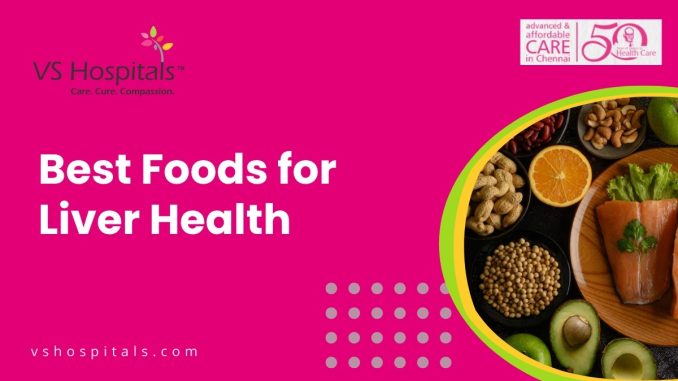
The liver, a remarkable organ nestled in the upper right quadrant of the abdomen, often toils silently, performing over 500 vital functions essential for our survival. From detoxifying harmful substances and metabolizing drugs to producing proteins crucial for blood clotting and regulating blood sugar, its role is nothing short of heroic. Yet, in our modern world, the liver faces an unprecedented onslaught from environmental toxins, processed foods, excessive alcohol consumption, and sedentary lifestyles. While radical “detox” diets often promise quick fixes, the most effective and sustainable way to support this tireless organ is through consistent, nourishing dietary choices. By incorporating specific foods renowned for their liver-protective and enhancing properties, we can empower our liver to perform its critical functions optimally, safeguarding our overall health and vitality.
One of the most potent categories of liver-supportive foods are **cruciferous vegetables**. This family includes powerhouses like broccoli, cauliflower, Brussels sprouts, kale, and cabbage. What makes them so beneficial? They are rich in glucosinolates, compounds that the body converts into isothiocyanates. These active compounds play a crucial role in stimulating the liver’s detoxification enzymes, particularly in Phase II detoxification, which helps the liver efficiently eliminate toxins, carcinogens, and other harmful substances from the body. For instance, sulforaphane, abundant in broccoli sprouts, is a particularly potent activator of these detoxification pathways. Regularly incorporating a variety of these vegetables into your diet provides a natural, gentle, yet highly effective boost to your liver’s innate cleansing abilities, reducing its burden and enhancing its efficiency.
Beyond cruciferous vegetables, **garlic and onions** stand out for their exceptional liver-cleansing properties. These aromatic alliums are rich in sulfur-containing compounds, which are indispensable for activating the liver enzymes responsible for flushing out toxins. Allicin, the primary active compound in garlic, not only supports detoxification but also possesses strong antioxidant and anti-inflammatory properties that can help protect liver cells from damage. Moreover, both garlic and onions contain selenium, a vital mineral that enhances antioxidant activity in the liver. Incorporating these pungent ingredients into your daily cooking not only elevates the flavor of your meals but also provides a powerful, natural boost to your liver’s detoxification machinery, helping it to process and eliminate unwanted substances more effectively.
Another pillar of a liver-friendly diet involves integrating **antioxidant-rich foods**, particularly those high in Vitamin C and E, as well as various phytonutrients. The liver is constantly exposed to free radicals during its detoxification processes, which can cause oxidative stress and cellular damage. Antioxidants neutralize these harmful molecules, protecting the liver’s delicate cells. Berries (blueberries, raspberries, cranberries) are loaded with anthocyanins, powerful antioxidants that can reduce inflammation and protect liver cells. Citrus fruits (lemons, limes, grapefruits) are high in Vitamin C, which aids in the production of glutathione, a master antioxidant crucial for liver detoxification. Grapefruit, in particular, contains naringenin and naringin, antioxidants that help activate the enzymes needed for detoxification and can prevent liver damage. Nuts and seeds, such as walnuts, almonds, and flaxseeds, are excellent sources of Vitamin E, another potent antioxidant, and healthy fats, which support overall liver health.
Furthermore, certain beverages and herbs have been traditionally recognized for their liver-supportive qualities. **Green tea**, for instance, is rich in catechins, a type of antioxidant that has been shown to improve liver enzyme levels and reduce oxidative stress and fat accumulation in the liver. Coffee, surprisingly to some, has also been linked to liver health. Moderate coffee consumption has been associated with a reduced risk of liver diseases, including cirrhosis and liver cancer, possibly due to its antioxidant properties and its impact on liver enzymes. However, moderation is key for both, and they should not be consumed with excessive sugar or unhealthy additives. Herbs like **milk thistle** (often consumed as a supplement, but its active compound silymarin is widely studied) and **dandelion root** (used in teas) also have a long history in traditional medicine for their purported liver-protective and detoxifying effects, though always consult a healthcare professional before incorporating new supplements.
In essence, supporting optimal liver function isn’t about extreme cleanses or restrictive diets; it’s about consistently providing this indispensable organ with the natural resources it needs to perform its Herculean tasks. By strategically incorporating cruciferous vegetables, alliums, and a rainbow of antioxidant-rich fruits and vegetables into your daily meals, you build a robust dietary foundation. This holistic approach empowers your liver to efficiently filter toxins, metabolize nutrients, and maintain the delicate balance necessary for overall health, ensuring it remains the silent hero of your well-being for years to come.