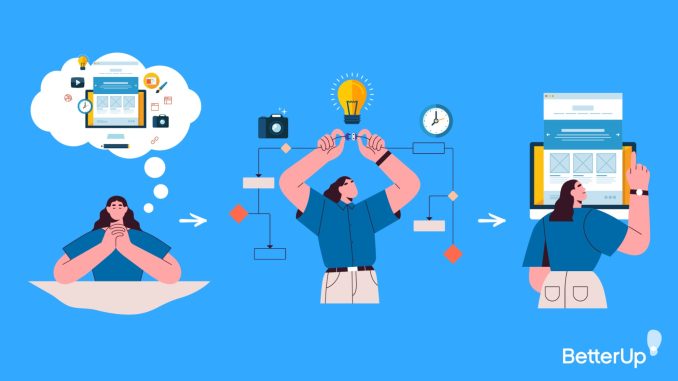
Visualization is a powerful cognitive tool that can significantly enhance learning by engaging the brain in ways that traditional methods often overlook. At its core, visualization involves creating mental images or diagrams to represent information, concepts, or processes. This technique taps into the brain’s natural preference for visual input, making abstract ideas more concrete and easier to understand. Whether you’re trying to grasp complex theories, memorize data, or improve performance, incorporating visualization into your learning strategy can lead to deeper comprehension and better retention.
One of the reasons visualization is so effective is that it activates multiple areas of the brain simultaneously. When you visualize a concept, you’re not just processing words or numbers—you’re engaging spatial reasoning, pattern recognition, and even emotional responses. This multi-sensory engagement helps encode information more robustly, making it easier to recall later. For example, a student studying anatomy might use diagrams to visualize the structure of the human body, reinforcing the spatial relationships between organs and systems. Similarly, a business professional preparing for a presentation might mentally rehearse the flow of their talk, picturing each slide and anticipating audience reactions.
Visualization also aids in organizing information. When faced with a large volume of content, it’s easy to feel overwhelmed. Creating visual representations—such as mind maps, flowcharts, or timelines—can help break down complex material into manageable parts. These tools allow learners to see connections, identify hierarchies, and understand sequences. For instance, someone studying a historical event might create a timeline to visualize the progression of key moments, helping them grasp cause and effect more clearly. In a corporate setting, visualizing a workflow or decision tree can clarify roles, responsibilities, and outcomes, leading to more efficient problem-solving.
Another benefit of visualization is its ability to support memory through association. The brain is wired to remember images more easily than text, a phenomenon known as the picture superiority effect. By linking information to vivid mental images, learners can create memorable anchors that aid recall. This technique is especially useful for memorizing lists, formulas, or vocabulary. For example, a language learner might associate a new word with a mental image that represents its meaning, making it easier to retrieve during conversation. The more personal and detailed the image, the stronger the memory trace.
Visualization also plays a crucial role in goal setting and performance improvement. Athletes have long used mental imagery to rehearse movements, build confidence, and enhance focus. This same principle applies to learning in academic and professional contexts. Visualizing success—whether it’s acing an exam, delivering a compelling pitch, or mastering a new skill—can boost motivation and reduce anxiety. It creates a mental blueprint for achievement, helping learners internalize the steps needed to reach their goals. When combined with deliberate practice, visualization becomes a powerful complement to physical and cognitive effort.
Incorporating visualization into your learning routine doesn’t require artistic talent or specialized tools. It starts with intentionality—choosing to represent information visually and engaging your imagination. This might involve sketching diagrams, using color-coded notes, or simply closing your eyes and picturing a concept. The key is to make the visualization meaningful and relevant to the content. For example, when learning about supply chain logistics, you might visualize the journey of a product from manufacturer to consumer, identifying each touchpoint and potential bottleneck. This mental model helps you understand the system holistically and anticipate challenges.
Technology can also enhance visualization. Digital tools like graphic organizers, data visualization software, and interactive simulations provide dynamic ways to engage with content. These platforms allow learners to manipulate variables, explore scenarios, and see the impact of decisions in real time. In business education, for example, simulation tools can help learners visualize market dynamics, financial models, or strategic planning processes. By interacting with visual representations, learners gain insights that are difficult to achieve through text alone.
Collaboration further enriches visualization. Sharing visual models with peers encourages discussion, feedback, and refinement. It helps surface different perspectives and deepen understanding. In team settings, visual tools can align thinking, clarify objectives, and support collective problem-solving. For instance, during a strategic planning session, a team might use a visual roadmap to outline goals, milestones, and dependencies. This shared reference point fosters alignment and accountability, making the plan more actionable and transparent.
Ultimately, visualization is not just a technique—it’s a mindset. It invites learners to engage with content actively, creatively, and holistically. It transforms passive consumption into dynamic exploration, making learning more engaging and effective. Whether you’re a student, professional, or lifelong learner, embracing visualization can elevate your understanding, sharpen your memory, and empower you to apply knowledge with confidence. In a world where information is abundant and attention is scarce, visualization offers a way to cut through the noise and connect with what truly matters.