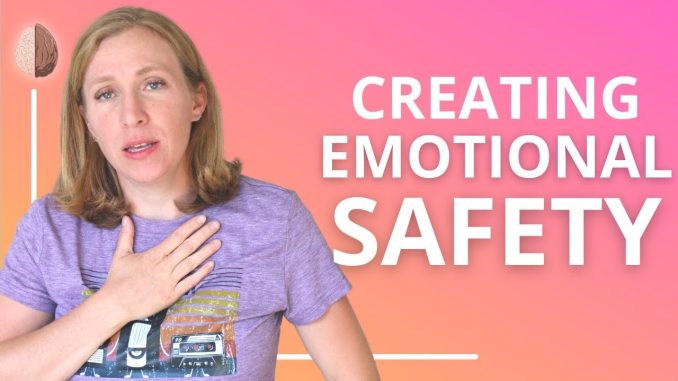
When businesses prioritize emotional safety, something profound begins to happen. The atmosphere shifts. People start showing up more fully, more honestly, and more creatively. Emotional safety isn’t just a soft concept reserved for HR discussions—it’s a foundational element that influences how teams operate, how leaders lead, and how cultures evolve. It’s the invisible infrastructure that supports trust, collaboration, and resilience. When it’s present, people thrive. When it’s absent, even the most talented teams struggle to perform.
Emotional safety means people feel secure enough to express themselves without fear of ridicule, punishment, or exclusion. It’s the freedom to speak up, ask questions, admit mistakes, and share ideas. In environments where emotional safety is cultivated, vulnerability is not seen as weakness—it’s seen as courage. This shift in perception opens the door to deeper conversations, more honest feedback, and richer collaboration. It allows people to move beyond surface-level interactions and engage in meaningful dialogue.
One of the first things you notice in emotionally safe workplaces is a change in energy. There’s less tension, less guardedness. People don’t waste mental energy trying to protect themselves or navigate office politics. Instead, they focus on the work, on the mission, and on each other. This clarity and focus lead to better outcomes—not just in terms of productivity, but in the quality of relationships and the sense of fulfillment people derive from their work.
Innovation flourishes in emotionally safe environments. When people aren’t afraid to fail, they’re more willing to experiment and take risks. They share unconventional ideas, challenge assumptions, and explore new possibilities. Emotional safety creates a buffer against the fear of rejection or embarrassment, which often stifles creativity. Teams that feel safe are more likely to push boundaries and discover breakthroughs because they know their contributions will be respected, even if they don’t lead to immediate success.
Leadership plays a critical role in building emotional safety. It starts with modeling openness, humility, and empathy. Leaders who admit when they’re wrong, who listen actively, and who respond with understanding rather than judgment set the tone for the entire organization. Their behavior signals that it’s okay to be human, to have doubts, and to learn out loud. This kind of leadership doesn’t just inspire—it transforms.
Emotional safety also strengthens team cohesion. When people feel safe, they’re more likely to support one another, share resources, and celebrate each other’s wins. They’re less likely to compete destructively or withhold information. Trust becomes the default, not something that has to be earned through guarded interactions. This trust accelerates collaboration and makes teams more agile and adaptive in the face of change.
Feedback becomes more constructive and actionable in emotionally safe environments. Instead of being defensive or dismissive, people are open to hearing different perspectives. They understand that feedback is not an attack—it’s a gift. This mindset allows for continuous improvement and helps individuals grow in ways that are both personal and professional. It also fosters a culture of accountability, where people take ownership of their actions without fear of blame.
Emotional safety doesn’t mean avoiding conflict—it means handling it with respect and care. Disagreements are inevitable, but in safe environments, they’re approached with curiosity rather than hostility. People feel empowered to voice concerns and challenge ideas, knowing that their intent will be understood and their perspective valued. This leads to more robust decision-making and a deeper understanding of complex issues.
Retention improves when emotional safety is prioritized. People are more likely to stay in organizations where they feel respected, heard, and supported. They’re less likely to burn out or disengage. Emotional safety contributes to a sense of belonging, which is one of the most powerful drivers of employee satisfaction. When people feel like they matter, they invest more of themselves in their work and in the success of the organization.
Customer experience can also benefit from emotional safety. When employees feel safe, they’re more likely to extend that same care and empathy to customers. They’re better equipped to handle difficult situations, respond with patience, and create positive interactions. Emotional safety becomes part of the brand’s DNA, influencing how it’s perceived and experienced by the outside world.
Building for emotional safety requires intentionality. It’s not something that happens by accident or through a single initiative. It’s a daily practice, woven into policies, conversations, and behaviors. It requires listening, reflection, and a willingness to change. But the payoff is significant. Organizations that invest in emotional safety don’t just perform better—they feel better. They become places where people want to be, where work feels meaningful, and where potential is unlocked.
Technology can support emotional safety when used thoughtfully. Tools that facilitate transparent communication, inclusive collaboration, and real-time feedback can reinforce safe practices. But technology alone isn’t enough. The human element—how people use those tools, how leaders respond, and how culture is shaped—ultimately determines whether emotional safety takes root.
As businesses face increasing complexity and rapid change, emotional safety becomes even more critical. It’s what allows teams to navigate uncertainty with confidence, to adapt without losing cohesion, and to innovate without fear. It’s not a luxury—it’s a necessity. And when it’s prioritized, it becomes a quiet force that powers everything else.
In the end, building for emotional safety is about honoring humanity. It’s about recognizing that people do their best work when they feel safe, respected, and connected. It’s about creating environments where people can be themselves and bring their full selves to the table. And when that happens, the business doesn’t just grow—it flourishes.