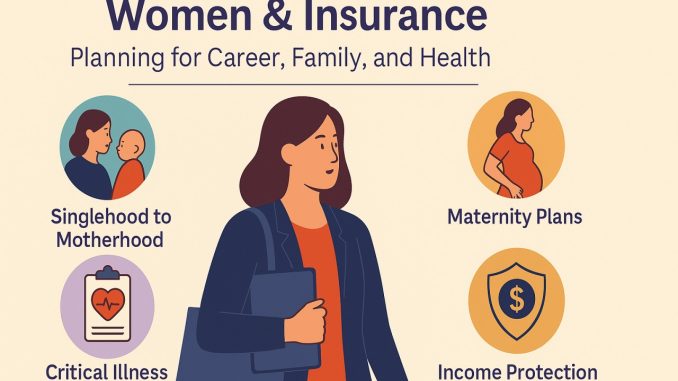
Empowered planning is about making decisions with clarity, confidence, and control. It’s the process of shaping your future with intention rather than reacting to circumstances as they arise. Insurance, often seen as a safety net or a backup plan, is actually a powerful expression of this mindset. When thoughtfully chosen and actively managed, insurance becomes a cornerstone of empowered planning. It allows individuals and businesses to anticipate risk, protect progress, and maintain momentum even when life throws unexpected challenges their way.
At its heart, insurance is a tool for managing uncertainty. No matter how carefully we plan, there are variables we can’t control—accidents, illnesses, natural disasters, economic shifts. These events can disrupt even the most well-structured financial strategies. Empowered planning doesn’t ignore these possibilities; it accounts for them. Insurance provides a framework for resilience. It transforms unpredictable threats into manageable outcomes, allowing people to recover without losing ground. This ability to absorb shocks and continue forward is a defining feature of empowered living.
For individuals, insurance supports a sense of agency in financial decision-making. Health insurance ensures that medical care doesn’t derail other financial goals. Life insurance provides continuity for loved ones, preserving stability in the face of loss. Disability insurance protects income during recovery, enabling people to focus on healing rather than scrambling to cover expenses. These forms of coverage aren’t just reactive—they’re proactive. They reflect a commitment to long-term well-being and a willingness to invest in security. When people understand their coverage and tailor it to their needs, they’re not just buying protection—they’re building a foundation for confident choices.
Businesses rely on insurance to support strategic growth and operational continuity. A company that understands its risk profile and secures appropriate coverage is better positioned to innovate, expand, and lead. Commercial insurance protects against property damage, liability claims, and business interruptions, allowing leaders to make bold decisions without being paralyzed by fear of loss. Insurance also plays a role in workforce planning. Offering comprehensive employee benefits helps attract and retain talent, fostering a stable and motivated team. In this way, insurance becomes part of the infrastructure that supports long-term success.
Empowered planning also involves aligning resources with priorities. Insurance encourages thoughtful evaluation of what matters most and how to protect it. Choosing the right coverage requires assessing risks, understanding needs, and making intentional decisions. This process fosters financial literacy and self-awareness. It prompts individuals and organizations to take stock of their assets, consider their vulnerabilities, and invest in protection that reflects their values. The result is a more deliberate and informed approach to money management and life planning.
Technology has enhanced the strategic potential of insurance by making it more accessible and responsive. Digital platforms allow users to compare policies, manage accounts, and receive real-time updates. Personalized recommendations help people tailor coverage to their unique circumstances. But the most impactful technology goes beyond convenience—it supports clarity and engagement. When people can see how their coverage works, adjust it as their needs change, and access support when they need it, insurance becomes a dynamic part of their strategy. It’s not just a product—it’s a partner in planning.
Education is another key component of empowered planning. Many people feel overwhelmed by insurance simply because they’ve never been taught how it works. They don’t know what questions to ask, what coverage they need, or how to evaluate policies. When insurers invest in education—through content, consultations, or interactive tools—they empower customers to make informed decisions. This empowerment reduces anxiety and builds confidence. It turns insurance from a confusing obligation into a thoughtful choice. And when people feel capable of engaging with their coverage, they’re more likely to use it effectively and integrate it into their broader planning.
The emotional dimension of empowered planning is also worth considering. Security and peace of mind are essential to making bold, forward-looking decisions. Insurance contributes to this emotional stability by offering reassurance. It’s the knowledge that if something goes wrong, there’s a plan in place. This sense of security allows people to live more fully, to take risks without recklessness, and to pursue goals without constant fear. Emotional resilience, supported by financial safeguards, leads to better outcomes and a more grounded approach to life and business.
Ultimately, insurance is a form of empowered planning because it reflects intentionality. It’s a decision to prepare, to protect, and to prioritize stability. It’s a commitment to yourself, your family, or your business that says, “I’m thinking ahead. I’m creating a foundation I can rely on.” That mindset is the essence of empowered living. It’s not about reacting to life—it’s about shaping it. And when insurance is understood, embraced, and aligned with real needs, it becomes a powerful ally in the pursuit of a secure, resilient, and purpose-driven future.