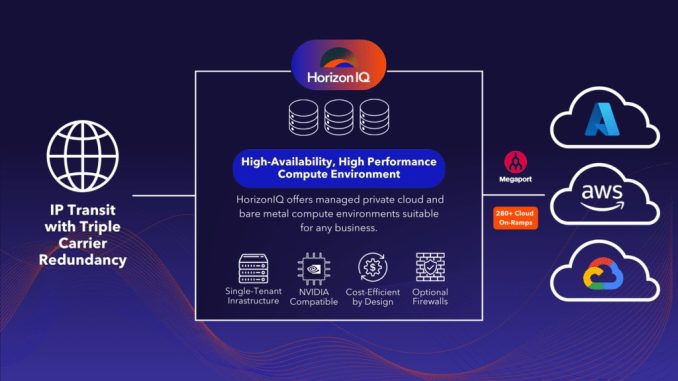
The evolution of enterprise IT has moved well beyond the initial excitement of cloud adoption. While the cloud continues to play a pivotal role in digital transformation, many organizations are now embracing hybrid IT environments as a more nuanced and strategic approach to managing infrastructure. Hybrid IT blends public cloud services, private cloud deployments, and on-premises systems into a cohesive ecosystem, allowing businesses to optimize performance, control costs, and maintain flexibility. This model acknowledges that not all workloads are created equal and that a one-size-fits-all approach to infrastructure can be limiting in today’s complex operational landscape.
One of the driving forces behind hybrid IT is the need for agility without sacrificing control. Public cloud platforms offer scalability and speed, making them ideal for dynamic workloads, development environments, and customer-facing applications. However, certain workloads—particularly those involving sensitive data, regulatory compliance, or legacy systems—may be better suited to private clouds or on-premises infrastructure. Hybrid IT allows organizations to place workloads where they perform best, balancing the benefits of cloud innovation with the reliability and governance of traditional systems. For example, a financial institution might run its customer analytics in the cloud while keeping transaction processing on-premises to meet stringent compliance requirements.
Cost optimization is another compelling reason for adopting a hybrid IT strategy. While cloud services offer operational efficiencies, they can become expensive when used indiscriminately. By analyzing workload characteristics and usage patterns, organizations can determine which environments offer the best value. Some applications may benefit from the elasticity of the cloud, while others may be more cost-effective when hosted on dedicated hardware. Hybrid IT enables this kind of strategic placement, helping businesses avoid overprovisioning and reduce unnecessary spending. It also supports a pay-as-you-go model for cloud resources, allowing companies to scale up or down based on demand without committing to long-term capital expenditures.
Security and compliance considerations often dictate the need for hybrid environments. Industries such as healthcare, finance, and government face strict regulations around data privacy and sovereignty. Hybrid IT allows organizations to maintain control over sensitive data by keeping it within private or on-premises environments, while still leveraging cloud capabilities for less sensitive operations. This approach supports layered security architectures and enables organizations to implement granular access controls, encryption standards, and audit trails. It also facilitates disaster recovery and business continuity planning, as data and applications can be distributed across multiple environments to mitigate risk.
Performance and latency requirements also influence infrastructure decisions. Applications that require real-time processing or low-latency access may not perform optimally in the cloud, especially if data must travel long distances. Hybrid IT enables edge computing strategies, where data is processed closer to its source, reducing latency and improving responsiveness. A retail chain, for instance, might deploy edge servers in stores to handle point-of-sale transactions locally, while syncing data with the cloud for centralized analytics. This model ensures that critical operations remain fast and reliable, even in bandwidth-constrained environments.
The rise of containerization and orchestration technologies has further accelerated the adoption of hybrid IT. Tools like Kubernetes allow organizations to deploy and manage applications consistently across different environments, abstracting away the underlying infrastructure. This portability simplifies development and operations, enabling teams to move workloads between cloud and on-premises systems without significant rework. It also supports continuous integration and delivery pipelines, allowing for faster innovation and more resilient deployments. Developers can build and test in the cloud, then deploy to production environments that meet specific performance or compliance needs.
Hybrid IT also supports the growing trend of multi-cloud strategies, where organizations use services from multiple cloud providers to avoid vendor lock-in and optimize capabilities. This approach allows businesses to leverage the strengths of each platform—such as advanced AI tools, specialized databases, or global reach—while maintaining flexibility and negotiating power. Managing multiple clouds alongside on-premises infrastructure requires robust governance, monitoring, and automation tools, but the payoff is a more resilient and adaptable IT landscape. It also enables organizations to respond quickly to changes in market conditions, customer expectations, or regulatory requirements.
Leadership and culture play a critical role in the success of hybrid IT initiatives. IT teams must collaborate closely with business units to understand requirements, prioritize workloads, and align infrastructure decisions with strategic goals. This requires a shift from traditional siloed thinking to a more integrated and agile mindset. Training and upskilling are essential, as teams must be proficient in cloud technologies, security protocols, and automation frameworks. Organizations that invest in talent and foster a culture of continuous improvement are better positioned to navigate the complexities of hybrid environments and unlock their full potential.
Ultimately, hybrid IT is not just a technical architecture—it’s a strategic enabler. It allows organizations to tailor their infrastructure to meet diverse needs, optimize resources, and drive innovation. By combining the strengths of cloud and on-premises systems, businesses can create a flexible, secure, and high-performing foundation for digital transformation. As technology continues to evolve, hybrid IT will remain a vital approach for organizations seeking to balance speed with stability, innovation with governance, and ambition with pragmatism. It’s a model that reflects the realities of modern enterprise computing and offers a path forward in an increasingly interconnected world.