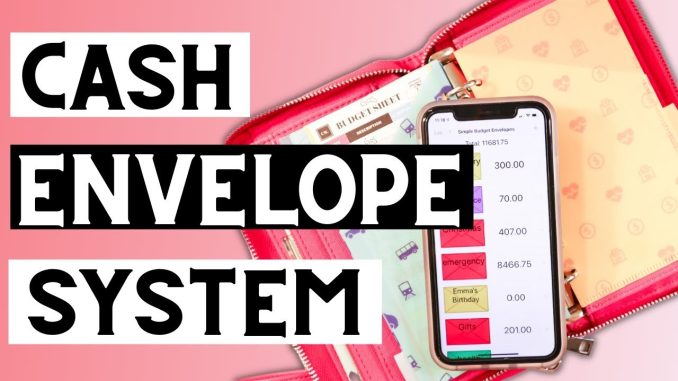
The cash envelope system has long been a trusted method for managing personal finances. It’s simple, tactile, and effective—assigning physical cash to specific spending categories and using only what’s in each envelope. But in today’s digital age, where transactions are increasingly cashless and spending happens with a tap or swipe, the traditional envelope approach can feel outdated. Still, the principles behind it remain powerful. The challenge is translating those principles into a digital context without losing the discipline and clarity that make the system so effective.
At its core, the cash envelope method is about intentionality. It forces you to decide in advance how much you’ll spend on groceries, entertainment, transportation, or any other category. That act of planning creates boundaries and encourages mindfulness. In a digital world, where money flows invisibly and instant gratification is just a click away, those boundaries can easily blur. Adapting the envelope system digitally means finding ways to preserve that sense of structure and awareness, even when the medium changes.
One way to do this is by using budgeting apps that mimic the envelope system. These tools allow you to allocate funds to virtual categories and track spending in real time. While you’re not physically handing over cash, you’re still engaging with the same process—setting limits, monitoring usage, and adjusting as needed. Apps like these often provide visual cues, such as progress bars or alerts, that reinforce the envelope concept. They make it easy to see when you’re approaching a limit, which helps curb overspending. The digital format also offers flexibility, allowing you to reallocate funds quickly if priorities shift.
For those who prefer a more hands-on approach, spreadsheets can serve as a modern envelope system. By creating columns for each category and updating them regularly, you maintain visibility and control. This method requires discipline, but it offers customization and can be tailored to suit specific needs. For example, a freelancer with variable income might use a spreadsheet to allocate percentages rather than fixed amounts, adjusting based on monthly earnings. The key is consistency—checking in regularly and treating each category as its own financial boundary.
Digital banking features can also support envelope-style budgeting. Many banks now offer tools that allow users to create sub-accounts or savings buckets. These can be labeled by category and funded accordingly, functioning much like envelopes. When you pay bills or make purchases, you draw from the appropriate bucket, maintaining the integrity of your budget. This approach combines the convenience of digital banking with the intentionality of envelope budgeting. It’s especially useful for recurring expenses, such as rent or subscriptions, where automation can help ensure consistency.
Mindset plays a crucial role in making the digital envelope system work. With physical cash, the act of handing over money creates a moment of reflection. In digital transactions, that moment can be lost. To counter this, it helps to build rituals around spending. Before making a purchase, pause to check your category balance. Ask whether the expense aligns with your goals. These small habits reinforce the envelope mindset and keep spending intentional. Over time, they become second nature, guiding decisions even in the absence of physical cash.
Businesses can also benefit from envelope-style budgeting in the digital age. Allocating funds to specific departments, projects, or initiatives helps maintain focus and accountability. Digital tools make it easier to track these allocations, monitor performance, and adjust as needed. For example, a startup might set aside a marketing budget and use software to track campaign spending. If the envelope runs low, the team must decide whether to reallocate funds or scale back efforts. This process encourages strategic thinking and prevents budget creep.
The envelope system also supports emotional clarity. Money is deeply tied to emotion—security, freedom, stress, and even identity. When spending is unstructured, it can lead to anxiety or guilt. Envelopes, whether physical or digital, provide a framework that reduces uncertainty. You know what’s available, what’s been spent, and what remains. That transparency fosters confidence and peace of mind. It turns money from a source of stress into a tool for empowerment.
In adapting the envelope system to the digital age, it’s important to stay flexible. Technology offers many solutions, but the goal remains the same: to spend with intention, to stay within limits, and to align financial behavior with personal values. Whether through apps, spreadsheets, banking features, or simple habits, the envelope method can thrive in a cashless world. It’s not about clinging to tradition—it’s about preserving the wisdom behind it. And in a time when financial distractions are everywhere, that wisdom is more relevant than ever.