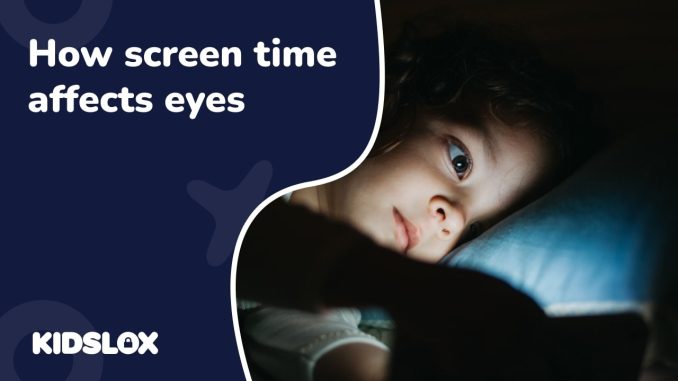
In today’s digital-first world, screens are no longer confined to the office. They follow us from morning emails to late-night streaming, from virtual meetings to mobile banking. While this connectivity has revolutionized productivity and convenience, it has also introduced a subtle but significant strain on one of our most vital assets: our eyes. The impact of screen time on ocular health is often underestimated, especially in professional environments where long hours in front of monitors are the norm. Understanding how screen exposure affects vision is not just a matter of comfort—it’s a business concern tied to performance, well-being, and long-term sustainability.
The human eye was not designed for prolonged focus on artificial light sources at close range. Historically, our visual system evolved to scan landscapes, track movement, and adapt to natural light. Digital screens, with their high-intensity blue light and fixed focal distances, present a very different challenge. When we stare at screens for extended periods, we blink less frequently, which reduces tear production and leads to dryness. This seemingly minor change can result in irritation, redness, and a gritty sensation that distracts from work and diminishes focus. Over time, these symptoms can escalate into digital eye strain, also known as computer vision syndrome—a condition marked by headaches, blurred vision, and neck or shoulder pain.
In business settings, the consequences of digital eye strain ripple beyond individual discomfort. Employees experiencing visual fatigue may struggle with concentration, make more errors, and take longer to complete tasks. This decline in cognitive efficiency is not always obvious, but it adds up. A team that spends eight to ten hours a day in front of screens without adequate visual breaks is likely operating below its optimal capacity. For leaders and managers, this presents an opportunity to rethink workflows and environments. Encouraging regular pauses, optimizing lighting, and investing in ergonomic setups are not just wellness gestures—they’re productivity strategies.
Blue light exposure is another dimension of concern. Emitted by most digital devices, blue light penetrates deep into the eye and has been linked to disruptions in circadian rhythm. When screen use extends into the evening, it can suppress melatonin production and delay sleep onset. Poor sleep, in turn, affects mood, decision-making, and resilience. For professionals juggling high-stakes responsibilities, this cycle can be particularly damaging. The irony is that the very tools designed to enhance efficiency may be undermining it through subtle physiological effects. Addressing this requires both awareness and action—such as adjusting screen settings, using blue light filters, or setting boundaries around evening device use.
The rise of remote work and hybrid models has further complicated the issue. Without the natural breaks that come from commuting or in-person meetings, screen time has ballooned. Video calls, once a novelty, are now a staple of daily communication. While they offer flexibility, they also demand sustained visual attention and often lack the spatial variation that helps rest the eyes. Looking at a colleague across a conference table engages different visual muscles than staring at their digital likeness on a screen. This lack of depth and movement contributes to fatigue. Companies that recognize this can design smarter schedules—balancing screen-based interactions with phone calls, walking meetings, or asynchronous communication.
Children and adolescents are also affected, and while this may seem outside the scope of business, it’s relevant for working parents and future workforce development. Excessive screen time during formative years can lead to myopia, or nearsightedness, which is rising globally at alarming rates. This trend has implications for healthcare costs, educational outcomes, and long-term productivity. Businesses that support family-friendly policies and promote digital literacy are indirectly contributing to healthier communities and more capable future employees. It’s a reminder that eye health is not an isolated issue—it’s part of a broader ecosystem of well-being.
Technology itself is evolving to address these challenges. Innovations in display design, such as e-ink and low-blue-light screens, aim to reduce strain. Software solutions that prompt users to take breaks or adjust brightness dynamically are becoming more common. Yet, technology alone cannot solve the problem. Behavioral change is essential. Professionals must learn to listen to their bodies, recognize signs of fatigue, and prioritize recovery. This may mean stepping away from the desk, focusing on distant objects to relax the eye muscles, or simply closing the eyes for a few moments. These micro-adjustments, when practiced consistently, can make a significant difference.
Ultimately, the impact of screen time on your eyes is a reflection of how we engage with work and life in the digital age. It challenges us to balance connectivity with care, efficiency with empathy. For businesses, this means creating cultures that value health as much as output. For individuals, it means reclaiming agency over how we use our tools. Vision is not just about seeing—it’s about perceiving, interpreting, and responding. When our eyes are strained, our ability to engage meaningfully diminishes. By protecting our vision, we protect our capacity to lead, innovate, and thrive. And in a world that demands constant attention, that protection is not optional—it’s essential.