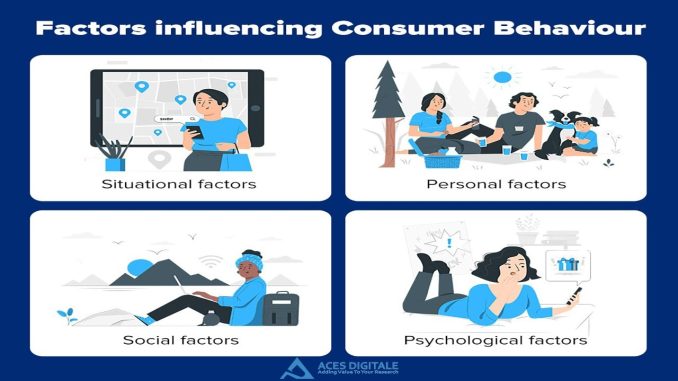
Understanding consumer behavior is not just about tracking purchases or analyzing market trends—it’s about decoding the psychological forces that drive decision-making. At its core, consumer behavior is shaped by a complex interplay of emotion, perception, motivation, and social influence. Businesses that grasp these psychological undercurrents are better equipped to connect with their audiences, craft meaningful experiences, and build lasting loyalty. It’s not enough to know what people buy; the real insight lies in understanding why they buy and how they feel about those choices.
One of the most powerful drivers of consumer behavior is emotion. While logic plays a role, most purchasing decisions are influenced by how a product or brand makes someone feel. A luxury watch isn’t just a timekeeping device—it’s a symbol of status, achievement, or personal taste. A cozy café isn’t just about coffee—it’s about comfort, community, and escape. These emotional associations shape preferences and create attachment. Brands that tap into emotional resonance—whether through storytelling, design, or customer experience—build deeper connections. They move beyond transactions and into relationships.
Perception also plays a critical role. Consumers don’t respond to products in isolation; they interpret them through the lens of their own experiences, expectations, and biases. The way a product is presented—its packaging, pricing, placement—can dramatically influence how it’s perceived. A high price might signal quality or exclusivity, while a minimalist design might suggest sophistication or simplicity. These cues guide interpretation and influence value judgments. Businesses must be intentional about the signals they send, recognizing that perception often shapes reality in the consumer’s mind.
Motivation is another key factor. People buy products to satisfy needs—some basic, others aspirational. Psychologist Abraham Maslow’s hierarchy of needs offers a useful framework, from physiological necessities like food and shelter to higher-level desires like esteem and self-actualization. A fitness app might appeal to health needs, while a designer handbag might cater to esteem. Understanding what motivates your audience allows you to position your offering in a way that aligns with their goals. It’s not about pushing products—it’s about helping people achieve something meaningful.
Social influence adds another layer of complexity. Consumers are rarely isolated decision-makers; they’re influenced by peers, trends, and cultural norms. Word-of-mouth, online reviews, influencer endorsements—all shape behavior. People often look to others for validation, especially in unfamiliar or high-stakes situations. A new restaurant might attract attention because it’s popular on social media, not just because of its menu. A tech gadget might gain traction because early adopters rave about it. Businesses that understand these dynamics can leverage social proof to build credibility and momentum.
Cognitive biases also affect consumer behavior in subtle but significant ways. The anchoring effect, for example, causes people to rely heavily on the first piece of information they encounter. If a product is initially presented at a high price, a subsequent discount feels more valuable—even if the final price is still high. The scarcity principle suggests that people assign more value to things that are perceived as limited or exclusive. These biases aren’t flaws—they’re shortcuts the brain uses to make decisions quickly. Savvy marketers understand how to work with these tendencies ethically, creating experiences that feel intuitive and rewarding.
Trust is another psychological cornerstone. In a world of endless choices and information overload, consumers gravitate toward brands they trust. That trust is built through consistency, transparency, and authenticity. A company that delivers on its promises, communicates openly, and treats customers with respect earns credibility. That credibility reduces friction in the decision-making process. When people trust a brand, they’re more likely to buy from it, recommend it, and forgive occasional missteps. Trust isn’t built overnight—it’s cultivated through every interaction.
The environment in which decisions are made also matters. Context can influence behavior in surprising ways. A shopper might choose a healthier snack in a well-lit, spacious store but opt for indulgence in a crowded, noisy one. Online, the layout of a website, the ease of navigation, and the clarity of information all affect conversion rates. Behavioral economics teaches us that small changes in context—known as “nudges”—can lead to significant shifts in behavior. Businesses that design with psychology in mind create smoother, more satisfying customer journeys.
Ultimately, the psychology of consumer behavior reveals that people are not purely rational actors. They are emotional, social, and cognitive beings navigating a complex world of choices. Businesses that respect this complexity and engage with it thoughtfully are better positioned to succeed. They don’t just sell products—they solve problems, fulfill desires, and create meaning. By understanding the psychological drivers behind consumer behavior, companies can craft strategies that resonate deeply, build trust authentically, and deliver value that goes beyond the surface. In doing so, they move from being vendors to becoming partners in the lives of their customers.