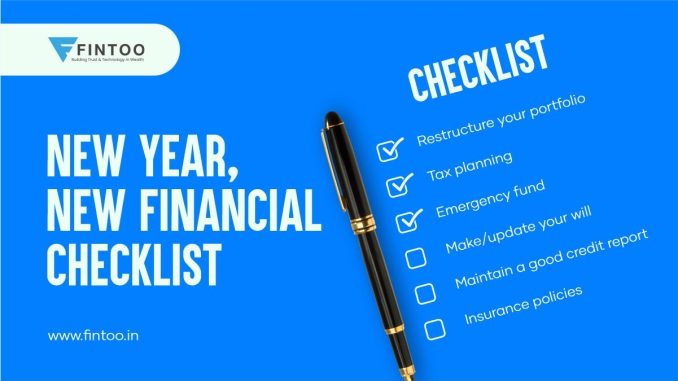
Creating a financial checklist is one of the most practical steps you can take toward achieving clarity and control over your money. It’s not just a tool for organization—it’s a framework for decision-making, a safeguard against oversight, and a way to stay aligned with your financial goals. Whether you’re managing personal finances, running a small business, or preparing for a major life event, a well-structured checklist helps ensure that nothing slips through the cracks. It turns abstract financial responsibilities into concrete actions, making it easier to track progress and adjust when circumstances change.
The process begins with understanding your financial landscape. Before you can build a checklist, you need a clear picture of your income, expenses, assets, liabilities, and financial obligations. This means reviewing bank statements, credit card activity, loan documents, and investment accounts. It’s not about perfection—it’s about awareness. For example, someone who earns a steady salary but has irregular spending habits might discover that subscriptions, impulse purchases, or forgotten auto-renewals are quietly draining their budget. By identifying these patterns, you can begin to prioritize what needs attention and what can be streamlined.
Once you’ve mapped out your financial environment, the next step is to define your objectives. A checklist should reflect your goals, whether they’re short-term tasks like paying bills on time or long-term ambitions like saving for retirement or buying a home. The more specific your goals, the more actionable your checklist becomes. For instance, instead of vaguely aiming to “save more,” you might set a target to transfer a fixed amount into a savings account every payday. This kind of clarity transforms intentions into habits and builds momentum over time.
Timing plays a crucial role in checklist design. Financial tasks often follow a rhythm—monthly budgeting, quarterly tax estimates, annual insurance renewals—and aligning your checklist with these cycles helps maintain consistency. For example, reviewing your credit report once a year is a simple yet powerful way to catch errors and monitor your financial health. Similarly, scheduling a mid-year financial review allows you to assess progress and make adjustments before the year slips away. By anchoring tasks to specific dates or intervals, you reduce the likelihood of procrastination and create a sense of accountability.
A good financial checklist also includes contingency planning. Life is unpredictable, and having protocols in place for emergencies or unexpected changes can make a significant difference. This might involve setting up an emergency fund, reviewing insurance coverage, or creating a plan for income disruption. For example, if you’re self-employed, your checklist might include steps for managing cash flow during slow months or securing alternative income streams. These proactive measures don’t eliminate risk, but they do provide a buffer that can help you navigate uncertainty with greater confidence.
Technology can enhance the effectiveness of your checklist. Digital tools and apps allow you to automate reminders, track progress, and store relevant documents in one place. For someone juggling multiple financial responsibilities—like managing household expenses, overseeing a business budget, and planning for retirement—having a centralized system reduces mental clutter and improves follow-through. It also makes collaboration easier if you’re sharing financial duties with a partner or advisor. The goal is to make your checklist not just a static document, but a dynamic part of your financial routine.
Flexibility is essential. A financial checklist should evolve as your life and goals change. What’s relevant in your twenties may look very different in your forties or sixties. For example, a young professional might focus on building credit and paying off student loans, while someone nearing retirement might prioritize estate planning and healthcare costs. Periodic reviews ensure that your checklist remains aligned with your current priorities and reflects any new developments. This adaptability keeps your financial strategy relevant and responsive, rather than rigid or outdated.
It’s also important to recognize that a checklist is not a substitute for financial literacy—it’s a complement. Understanding why each item matters helps you engage more deeply with the process and make better decisions. For instance, knowing how compound interest works can motivate you to start investing early, while understanding the implications of debt-to-income ratios can guide your borrowing choices. The more informed you are, the more empowered you become, and your checklist becomes a reflection of that knowledge.
Finally, a financial checklist should be a source of motivation, not stress. It’s easy to feel overwhelmed by the sheer number of financial tasks, especially when juggling work, family, and other responsibilities. But breaking things down into manageable steps creates a sense of progress and control. Each item you check off is a small win, a signal that you’re actively shaping your financial future. Over time, these wins accumulate, building confidence and reinforcing positive habits.
In essence, making a financial checklist is about turning intention into action. It’s a way to bring structure to your financial life, reduce uncertainty, and stay focused on what matters most. Whether you’re just starting out or refining an existing system, the act of creating and maintaining a checklist is a powerful statement of commitment to your financial well-being. It’s not just about tracking tasks—it’s about building a foundation for smarter choices, greater resilience, and long-term success.